
Rich and varied
The changing face of the Nahe alluvial plain
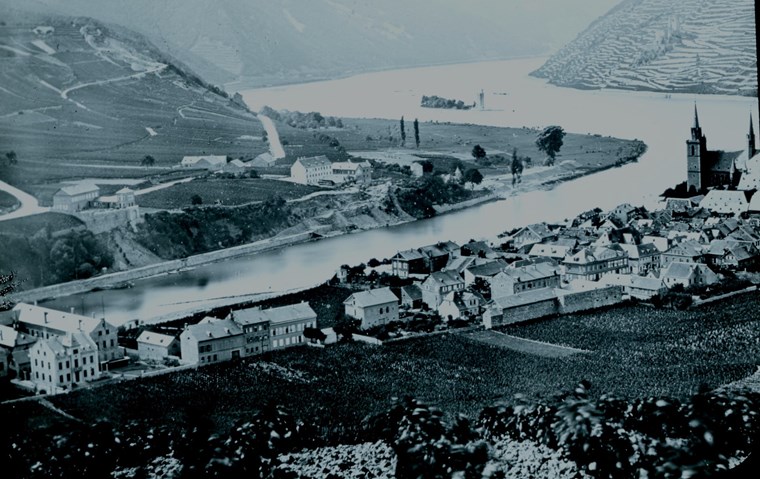 In 1815, the River Nahe marked the border between the Kingdom of Prussia and the Grand Duchy of Hesse-Darmstadt, whilst the River Rhine constituted the border with the Grand Duchy of Hesse-Nassau. In the mid 19th century these territorial states began building railway lines along the rivers. In 1859 a new bridge over the River Nahe connected the Rhenish Railway line from Cologne with the Hessian Ludwigsbahn from Mainz. The Nahe’s alluvial plain, an extensive riverbank area with meadows and pastures, provided the necessary space for a large shunting and train marshalling yard.
In 1988, work began on decommissioning the Bingerbrück marshalling yard and goods depot. The resulting railway brownfield site with its tracks, railway installations, garden plots and gravel areas was transformed into the Park am Mäuseturm (Mouse Tower Park) for the 2008 Bingen State Garden Show.
Today, the extensive park at the gateway to the Middle Rhine Valley is home to flower-filled, extensively maintained meadow areas, featuring native grasses and herbs. This low-nutrient grassland is only rarely mown. Some areas are always left unmown to allow wild plants such as daisies, Carthusian pinks, common toadflax and bladder campion to seed, enabling them to reproduce. With their diversity and profusion of flowers, the wildflower meadows delight human visitors as well as providing space and food for a large number of butterflies, wild bees, bumblebees, grasshoppers and other animals.


