
A riot of colour on barren ground
Calcareous grasslands on the Jakobsberg
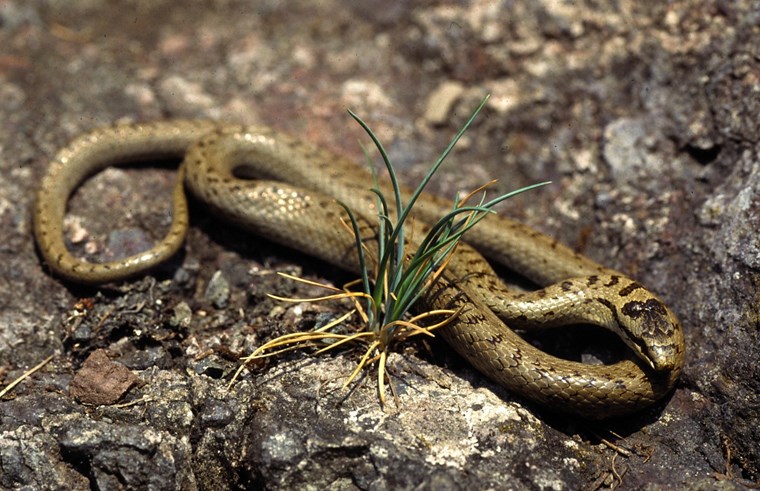 On the slopes of the Rheinhessen plateau, the limestone rocks that protrude above the surface are covered by only a shallow layer of soil. The hilltops were traditionally used for grazing. This led to the formation of calcareous grasslands, which are among the most species-rich habitats in the Bingen area. For generations, these hot, dry slopes, which are very poor in nutrients due to the shallow soil, have been used for wine growing. Today, many of the vineyards have fallen into neglect, due to the difficulties involved in cultivating them. Targeted biotope management allows calcareous grasslands, such as those at Bingen-Dromersheim, to spread across the abandoned vineyards.
Only specialist plants and animals that can tolerate poor soil and hot, dry conditions manage to gain a foothold in these barren areas. Among the plants that thrive here are the white rock-rose and various native orchid species. Their colourful flowers attract a wide variety of butterflies, including the painted lady. The diversity of plants here is also beneficial to rare grasshoppers and wild bees. The superbly camouflaged smooth snake loves to bask near clumps of thyme, other dwarf shrubs, stones and low walls, often completely motionless. This constrictor snake grows up to 70 centimetres long. Although it feeds mainly on lizards and mice, it will also eat large insects and small birds. Like all poikilothermic reptiles, (i.e. its internal body temperature fluctuates with its external environment) it uses heated rocks to warm up its body. The bite of this non-venomous snake is harmless to humans.


